Sharklady Adventures Blog
Welcome to the Sharklady Adventures blog. The place where we drop our thoughts and experiences…
Dive into Fun: Quirky Facts About Bronze Whaler Sharks
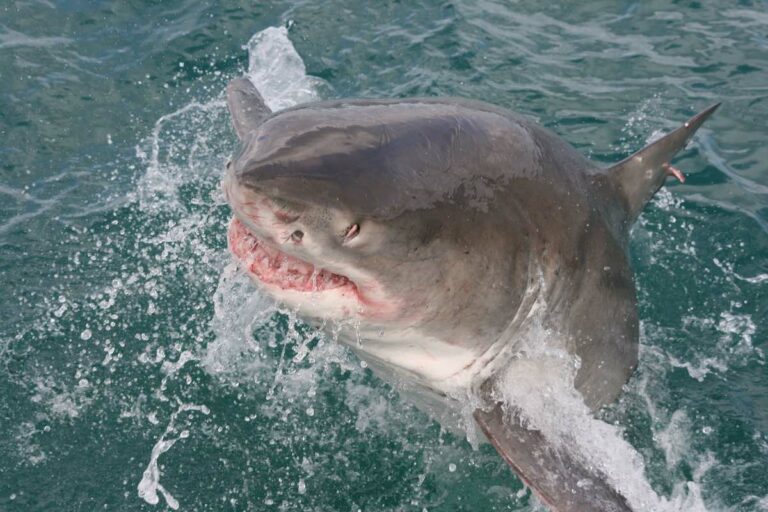
Quirky Facts About Bronze Whaler Sharks Welcome back to Sharklady Adventures! Today, we’re taking a playful plunge into the fascinating world of Bronze Whaler Sharks. Known for their sleek beauty and intriguing behaviors, these sharks are not just another fish in the sea; they are full of surprises! Whether you’re planning a marine adventure in Gansbaai or simply curious about these magnificent creatures, you’ll find plenty of fun facts to enjoy. Meet the Bronze Whaler Shark The Bronze Whaler Shark, scientifically known as Carcharhinus brachyurus, is a member of the requiem shark family. These sharks can grow up to 3.5 meters long and weigh around 300 kilograms, making them one of the larger shark species found in temperate waters. Their distinctive bronze-grey coloration gives them their name and helps them blend seamlessly into their surroundings.Fun Facts About Bronze Whaler Sharks Social Butterflies: Unlike many solitary shark species, Bronze Whalers are known to be quite social! They often form small groups or pairs, especially when hunting. Watching them work together to herd schools of fish into bait balls is a sight to behold.Not Just a Pretty Face: These sharks possess an incredible sensory system. Their lateral line can detect vibrations in the water, allowing them to sense prey from a distance. This makes them highly skilled hunters!Clever Learners: Bronze Whalers are intelligent creatures that can learn and adapt their hunting strategies based on environmental changes. They’ve been observed learning where and when to find food, showcasing their impressive cognitive abilities.The Great Camouflage Artists: Their bronzy-grey color isn’t just for show; it’s an evolutionary advantage! This coloration helps them blend into the ocean floor, making it easier for them to ambush unsuspecting prey.Smooth Operators: The skin of a Bronze Whaler is covered in tiny tooth-like structures called dermal denticles. These help reduce drag as they swim, allowing them to glide effortlessly through the water.Eyes on the Prize: With large, circular eyes equipped with a nictitating membrane (a sort of third eyelid), Bronze Whalers can protect their eyes while hunting or during encounters with other marine life. Names Galore: What Do We Call Them? Bronze Whaler Sharks go by many names across different regions and cultures. Here’s a quirky list of some of their common names: Bronze WhalerCopper SharkNarrowtooth SharkCocktail SharkBronzie (popular in Australia)Horopekapeka (Maori name from New Zealand)Koperhaai (Afrikaans)Squalo ramato (Italian)Tiburón cobrizo (Spanish) Each name reflects something unique about this fascinating species, whether it’s their color or their behavior! Shark Cage Diving with Bronze Whalers If you’re looking for an unforgettable experience, consider joining a shark cage diving tour in Gansbaai. While many people flock to see the famous Great White Shark, don’t overlook the playful Bronze Whalers that also inhabit these waters.What Makes It Special? Unique Encounters: While diving with sharks, you may get lucky and see these lively creatures up close as they swim gracefully by your cage.Educational Experience: Many operators provide insights into the behavior and ecology of Bronze Whalers during your dive, making it not just an adventure but also an educational experience.Breathtaking Scenery: The waters around Gansbaai are stunningly beautiful, offering views that make your marine adventure even more memorable. In Conclusion Bronze Whaler Sharks are not just fascinating creatures; they embody the spirit of adventure that draws many to the ocean’s depths. With their playful nature and unique adaptations, they remind us why we should cherish our marine ecosystems.So whether you’re gearing up for a thrilling day of shark cage diving, planning your next trip to Gansbaai, or simply enjoying some fun facts about these incredible animals, remember that every encounter with a Bronze Whaler is an opportunity to connect with nature in its most awe-inspiring form!
Dive into Adventure: Exploring the Bronze Whaler Shark
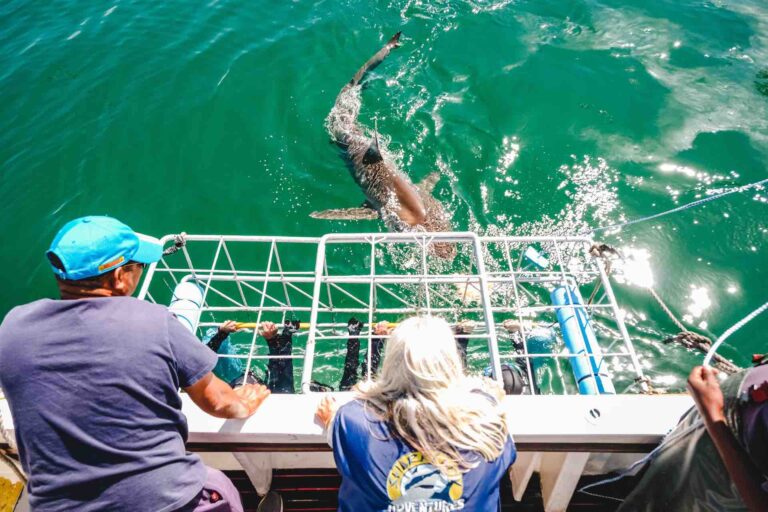
Dive into Adventure If you’re seeking an exhilarating marine adventure, look no further than the captivating world of the Bronze Whaler Shark. These magnificent creatures inhabit the coastal waters around Gansbaai, South Africa, a hotspot for shark cage diving and a prime location for diving with sharks. Join us as we explore the unique characteristics of the Bronze Whaler, its ecological importance, and why a trip to Shark Alley should be on every adventurer’s bucket list. The Bronze Whaler Shark: A Closer Look The Bronze Whaler Shark, also known as the Copper Shark, is a striking species that can grow up to 3.5 meters in length and weigh around 305 kilograms. With its torpedo-shaped body, broad snout, and distinctive bronze-grey to olive-green coloration, this shark is not only a formidable predator but also a sight to behold in its natural habitat.Key Features Habitat: Bronze Whalers are typically found in shallow bays and continental shelf areas, thriving in warm temperate waters. They are known to inhabit depths of up to 100 meters, often seen near the shore where they can exploit abundant marine life.Diet: These sharks are opportunistic feeders, primarily preying on bony fish like sardines and flatfish, as well as squid and crustaceans. Their hunting strategies include active pursuit and ambush tactics, making them skilled predators in their environment.Social Behavior: While generally solitary, Bronze Whalers may occasionally gather in small groups when targeting schooling fish. This cooperative behavior enhances their hunting efficiency. The Thrill of Shark Cage Diving For those eager to encounter these incredible sharks up close, shark cage diving in Gansbaai offers an unforgettable experience. The region is renowned for its diverse marine life and is often referred to as the “Great White Shark capital of the world.” However, it’s not just Great Whites that draw divers; the Bronze Whaler is another thrilling species you might encounter. What to ExpectSafety First: Before embarking on your dive, operators provide thorough safety briefings and equip you with necessary gear including wetsuits and life jackets.The Journey to Shark Alley: Your adventure begins with a scenic boat ride through Shark Alley, a narrow stretch of water teeming with marine life. Here, divers can witness not only Bronze Whalers but also other species such as seals and dolphins.Cage Diving Experience: Once at the dive site, you’ll get into a secure cage submerged in the water. This allows you to observe these magnificent sharks as they glide gracefully by—an experience that is both thrilling and educational. Why Gansbaai? Gansbaai is not just a beautiful coastal town; it’s an epicenter for marine adventures. The combination of stunning scenery and rich biodiversity makes it an ideal destination for anyone interested in marine life.Top Reasons to Dive Here Accessibility: Located just 2.5 hours from Cape Town, Gansbaai is easily reachable for both local and international visitors.Diverse Marine Life: Beyond sharks, the waters around Gansbaai are home to a variety of marine species including whales, dolphins, and seabirds—perfect for nature enthusiasts.Conservation Efforts: Many tour operators engage in responsible tourism practices aimed at conserving marine ecosystems while providing unforgettable experiences.Conservation and Respect for SharksUnderstanding the role of sharks like the Bronze Whaler in our oceans is crucial for their conservation. As apex predators, they help maintain healthy marine ecosystems by regulating fish populations. Unfortunately, threats from overfishing and habitat loss have led to declines in shark populations worldwide.By participating in activities such as shark cage diving, you’re not only experiencing an adventure but also supporting conservation efforts aimed at protecting these vital creatures and their habitats. Conclusion Whether you’re an adrenaline junkie or a marine life enthusiast, diving with Bronze Whaler Sharks in Gansbaai promises an unforgettable experience filled with awe-inspiring moments. From the thrill of being submerged in their world to learning about their behaviors and ecological importance, every aspect of this adventure contributes to a deeper appreciation for our oceans.So pack your bags for Gansbaai—your next great marine adventure awaits!
Why it is great diving with sharks in winter
Cage diving in winter!? Why it’s great to dive with sharks in winter People are often put-off by the fact that ‘you are getting wet, in the ocean, in WINTER’. But in actual fact, diving with sharks in winter is not the worst experience ever 😉 The water along the West coast can be clearer and warmer in winter due to several factors: 1. Ocean Currents: The West coast of many continents, including North America, is influenced by warm ocean currents such as the California Current. These currents bring warmer water from the south, resulting in relatively higher water temperatures along the coast. 2. Offshore Winds: During winter, the West coast often experiences offshore winds that blow from the land towards the ocean. These winds push the surface water away from the coast, allowing deeper, clearer, and warmer water to rise to the surface. 3. Rainfall and Runoff: Winter is typically the rainy season in many regions along the West coast. Heavy rainfall can wash away sediments, pollutants, and other impurities from the land, resulting in clearer water along the coast. 4. Upwelling: While upwelling is more common during the summer along the West coast, it can still occur in winter. Upwelling is a process where cold, nutrient-rich water from the deep ocean rises to the surface. This water is often clearer and can contribute to the overall clarity of the coastal waters. It’s important to note that these factors can vary depending on the specific location along the West coast and the prevailing weather patterns.
“Siamese” twins in sharks – RARE occurrence
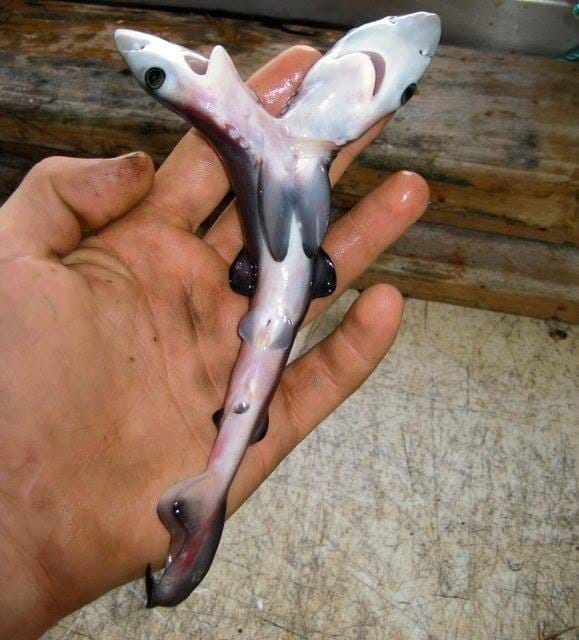
Siamese twins in sharks – RARE occurrence Sometimes nature delivers something quite spectacular… Conjoined twins occur when two embryos fail to separate completely during development, resulting in two sharks that are physically connected to each other. This can happen in any species of shark, but it is most commonly seen in species that give birth to live young, such as the bull shark and the blue shark. Conjoined twins in sharks can have a range of physical abnormalities, depending on where they are connected. In some cases, the twins may share a single body with two heads, while in others, they may have separate bodies but share a common tail or other body part. Conjoined twins in sharks face many challenges, including difficulty swimming and hunting for food. They are also more vulnerable to predators, as they are less agile and may have trouble escaping from danger. Despite these challenges, some conjoined twins in sharks have been known to survive for several years. In one case, a pair of conjoined blue sharks were caught off the coast of Mexico and lived for several years in captivity before eventually dying of natural causes. While conjoined twins in sharks are rare, they are a fascinating example of the diversity of life in the ocean. As we continue to study these incredible creatures, we can gain a greater understanding of the complex and interconnected nature of the natural world.
5 Differences between Great White Sharks and Bronze Whaler Sharks
5 Differences between Great White- and Bronze Whaler Sharks Let’s see how they differ, and in which ways they perhaps are similar… The Great White shark (Carcharodon carcharias) and the Bronze Whaler shark (Carcharhinus brachyurus) are two distinct species of sharks with several differences: 1. Appearance: Great White sharks are larger and bulkier, reaching an average length of 15-20 feet and weighing up to 5,000 pounds. They have a distinct white belly and a grayish upper body. Bronze Whaler sharks, on the other hand, are smaller, averaging around 8-10 feet in length and weighing up to 600 pounds. They have a bronze or grayish-brown coloration. 2. Habitat: Great White sharks are found in coastal and offshore waters of temperate and subtropical regions worldwide. They are known for their preference for cooler waters. Bronze Whaler sharks, on the other hand, are primarily found in warmer coastal waters, including the Indian and Pacific Oceans. 3. Diet: Great White sharks are apex predators and feed on a variety of marine animals, including seals, sea lions, fish, and even other sharks. They are known for their powerful bite and ability to take down large prey. Bronze Whaler sharks, on the other hand, have a more varied diet that includes fish, squid, rays, and smaller sharks. 4. Behavior: Great White sharks are known for their predatory behavior and are often associated with attacks on humans, although such incidents are relatively rare. They are known for their ability to breach the water surface while hunting. Bronze Whaler sharks, on the other hand, are generally not considered a threat to humans and are known for their schooling behavior, often found in groups. 5. Conservation status: Great White sharks are listed as vulnerable by the International Union for Conservation of Nature (IUCN) due to overfishing, habitat degradation, and accidental capture in fishing gear. Bronze Whaler sharks, on the other hand, are listed as near threatened, primarily due to overfishing and habitat loss. It is important to note that both species play important roles in their respective ecosystems and contribute to the overall balance of marine life.
The Orca Situation
The Orca Situation Let’s talk about the ‘orca’ in the room… Orcas, also known as killer whales, are one of the most fascinating creatures in the ocean. They are the largest member of the dolphin family and are found in all of the world’s oceans. Orcas are known for their intelligence, social behavior, and hunting skills. In this blog post, we will explore some interesting facts about these magnificent creatures. Appearance Orcas are easily recognizable by their distinctive black and white markings. They have a sleek, streamlined body that can grow up to 30 feet long and weigh up to 10 tons. Orcas have a dorsal fin on their back that can grow up to six feet tall. The dorsal fin is unique to each individual orca and can be used to identify them. Diet Orcas are apex predators, which means they are at the top of the food chain. They are known for their hunting skills and can prey on a variety of animals, including fish, seals, sea lions, and even other whales. Orcas work together in groups called pods to hunt their prey. They use a variety of techniques, including beaching themselves to catch seals and creating waves to knock seals off ice floes. Behavior Orcas are highly social animals and live in pods that can range from a few individuals to over 100. They communicate with each other using a variety of vocalizations, including clicks, whistles, and pulsed calls. Orcas are also known for their playful behavior, and they have been observed playing with objects such as seaweed, sticks, and even boats. Conservation Orcas are considered a vulnerable species, and their populations are declining in some areas. The main threats to orcas include pollution, habitat loss, and overfishing. In addition, captive orcas have been the subject of controversy, with many people calling for an end to the practice of keeping them in captivity for entertainment purposes. Conclusion Orcas are truly remarkable creatures that have captured the imagination of people around the world. They are intelligent, social, and highly skilled hunters. However, their populations are under threat, and it is important that we take steps to protect them and their habitats. By learning more about these magnificent creatures, we can better understand their importance and work to ensure their survival for generations to come. It is of recent that Orcas have started visiting our shores and their numbers are increasing. They have been responsible for preying on our Great Whites which are also an endangered specie. As the Orcas food source is near depletion in our Antarctic waters they are venturing to other areas to hunt and prey.