
Why it is great diving with sharks in winter
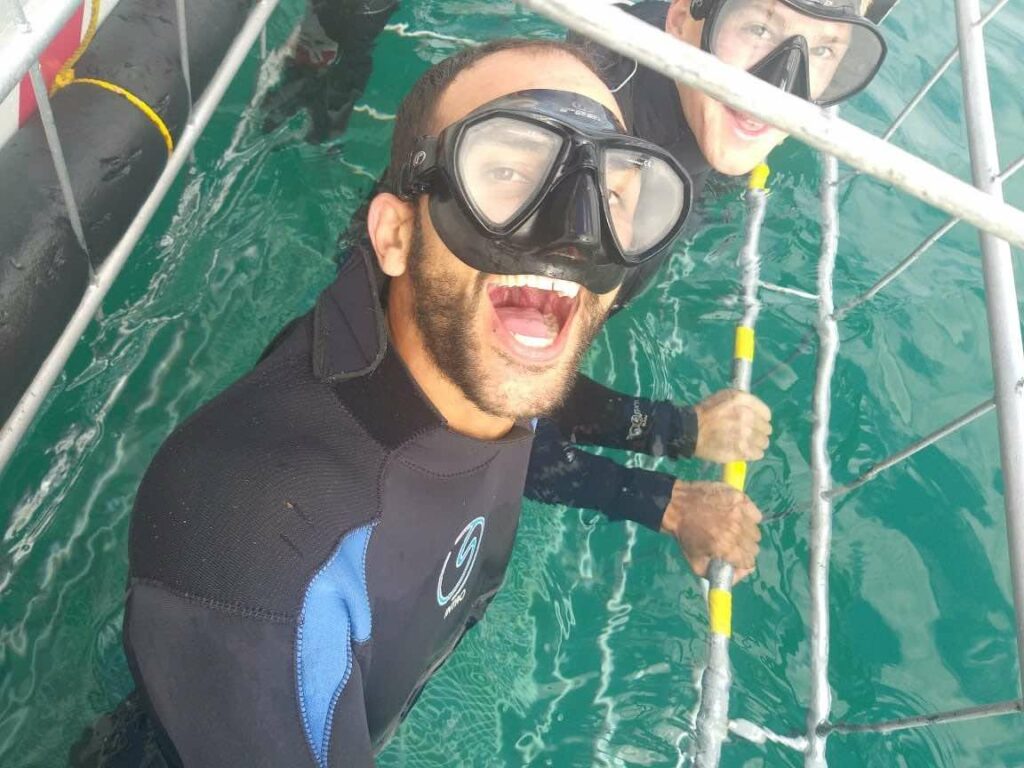
Cage diving in winter!? Why it’s great to dive with sharks in winter People are often put-off by the fact that ‘you are getting wet, in the ocean, in WINTER’. But in actual fact, diving with sharks in winter is not the worst experience ever 😉 The water along the West coast can be clearer and warmer in winter due to several factors: 1. Ocean Currents: The West coast of many continents, including North America, is influenced by warm ocean currents such as the California Current. These currents bring warmer water from the south, resulting in relatively higher water temperatures along the coast. 2. Offshore Winds: During winter, the West coast often experiences offshore winds that blow from the land towards the ocean. These winds push the surface water away from the coast, allowing deeper, clearer, and warmer water to rise to the surface. 3. Rainfall and Runoff: Winter is typically the rainy season in many regions along the West coast. Heavy rainfall can wash away sediments, pollutants, and other impurities from the land, resulting in clearer water along the coast. 4. Upwelling: While upwelling is more common during the summer along the West coast, it can still occur in winter. Upwelling is a process where cold, nutrient-rich water from the deep ocean rises to the surface. This water is often clearer and can contribute to the overall clarity of the coastal waters. It’s important to note that these factors can vary depending on the specific location along the West coast and the prevailing weather patterns.
“Siamese” twins in sharks – RARE occurrence
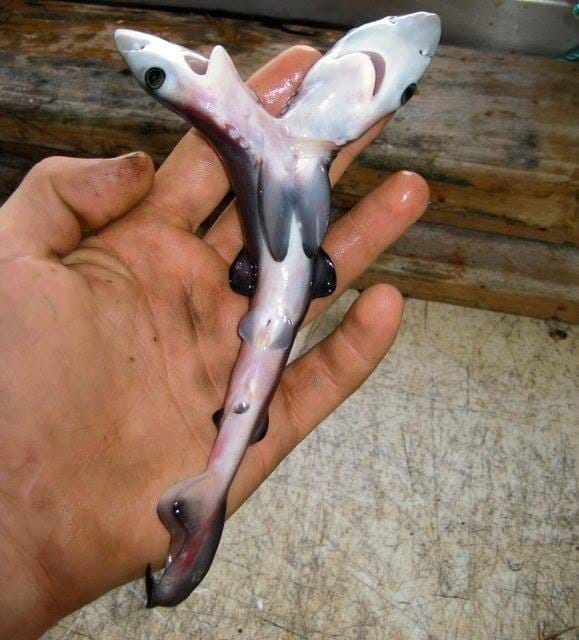
Siamese twins in sharks – RARE occurrence Sometimes nature delivers something quite spectacular… Conjoined twins occur when two embryos fail to separate completely during development, resulting in two sharks that are physically connected to each other. This can happen in any species of shark, but it is most commonly seen in species that give birth to live young, such as the bull shark and the blue shark. Conjoined twins in sharks can have a range of physical abnormalities, depending on where they are connected. In some cases, the twins may share a single body with two heads, while in others, they may have separate bodies but share a common tail or other body part. Conjoined twins in sharks face many challenges, including difficulty swimming and hunting for food. They are also more vulnerable to predators, as they are less agile and may have trouble escaping from danger. Despite these challenges, some conjoined twins in sharks have been known to survive for several years. In one case, a pair of conjoined blue sharks were caught off the coast of Mexico and lived for several years in captivity before eventually dying of natural causes. While conjoined twins in sharks are rare, they are a fascinating example of the diversity of life in the ocean. As we continue to study these incredible creatures, we can gain a greater understanding of the complex and interconnected nature of the natural world.